

Popular Locations
- Outpatient Surgery - Bridgeport Hospital
- Park Avenue Medical Center
- Primary Care Center - Bridgeport Hospital
Published December 13, 2022
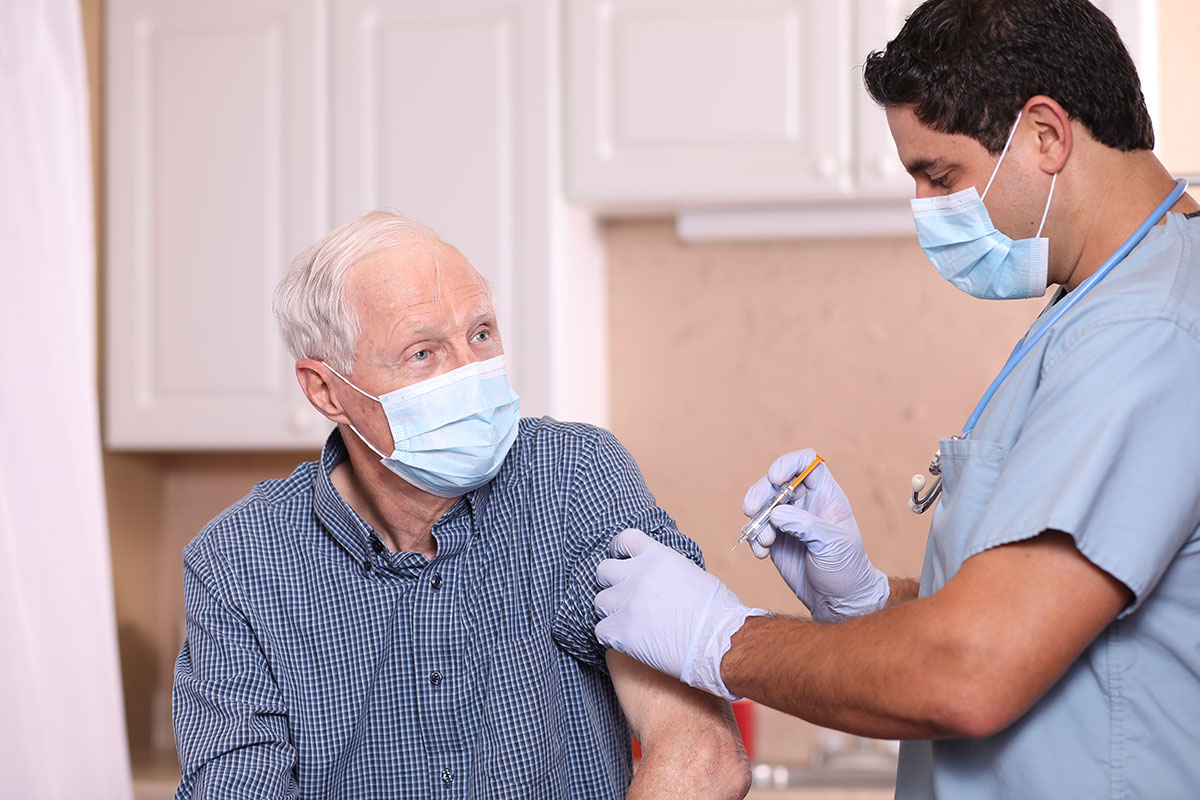
Every year, the flu season can be a dangerous time for seniors. A change to the immune system or underlying health conditions puts seniors at risk for developing more severe cases of influenza, leading to complications or even death.
Mithil Choksey MD, medical director for the Division of Geriatrics at Bridgeport Hospital, recommends patients of all ages get a flu shot and patients 65 and older should consider a high-dose flu vaccine.
“Our geriatric patients have a reduced ability to mount a strong response against the influenza virus and other infections due to age-related changes in the immune system,” said Dr. Choksey. “The high dose quadrivalent vaccine contains four times the antigen as the standard dose flu vaccines which helps generate a more robust immune response in the elderly.”
Caregivers should also get their flu shot as soon as possible. Talk to your doctor before getting the shot if you have a known allergy to the shot, if you’re acutely sick or immunosuppressed.
Classic flu symptoms include fever, chills and muscle pains. However older patients are less likely to present with these symptoms. Geriatric patients present with more nonspecific signs such as weakness, dizziness, confusion, loss of appetite and the exacerbation of underlying chronic diseases such as heart failure.
If an older patient has a fever, they should call their doctor right away.
“The greatest clinical benefit of antivirals is noted if treatment is started within 48 hours of symptoms, so I would encourage our seniors not to delay getting tested and call their provider promptly if they feel unwell during this season,” said Dr. Choksey.
If seniors are not eating or drinking, experiencing shortness of breath or experience a change in mental status, they should seek emergency help.
In addition to getting the flu shot, Dr. Choksey stresses the importance of proper prevention measures. Wash hands for at least 20 seconds with soap and water or use a hand sanitizer with at least 60% alcohol after being in public places during flu season. Maintain a safe distance from others who are not feeling well and stay home if you get sick. Studies have also shown wearing masks especially in crowded or enclosed spaces can help prevent the spread of respiratory illnesses.
Just as important as avoiding illness is living a healthy lifestyle. Seniors can help boost their immune response by staying hydrated, getting regular exercise and managing stress.
Any vaccine can cause side effects, but in general these are mild and self-limited.
It is important to remember what is being prevented. A mild vaccine side effect is in almost all cases better than getting the actual disease it is trying to prevent. The benefits of vaccination outweigh the risk in almost all circumstances, but if there is concern then it is important to discuss with your doctor.
Not everyone can get every vaccine. Some vaccines are live, weakened viruses so they cannot be given to people with low immune systems or those who are pregnant. The measles mumps rubella (MMR) vaccine is a good example of this.